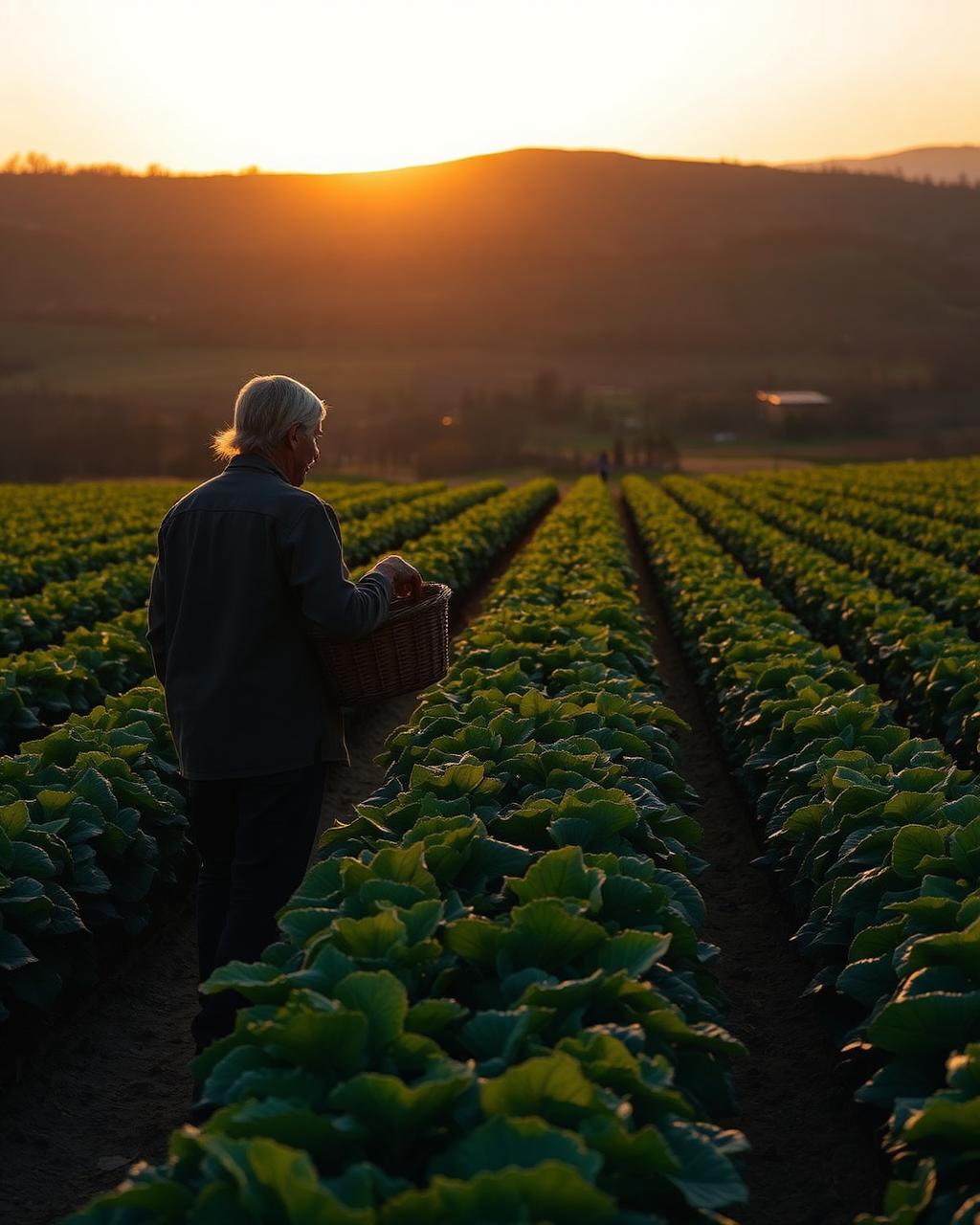
What the Soil Knows
Peer-reviewed research on phytochemistry, microbial intelligence, and the unseen systems beneath organic food.
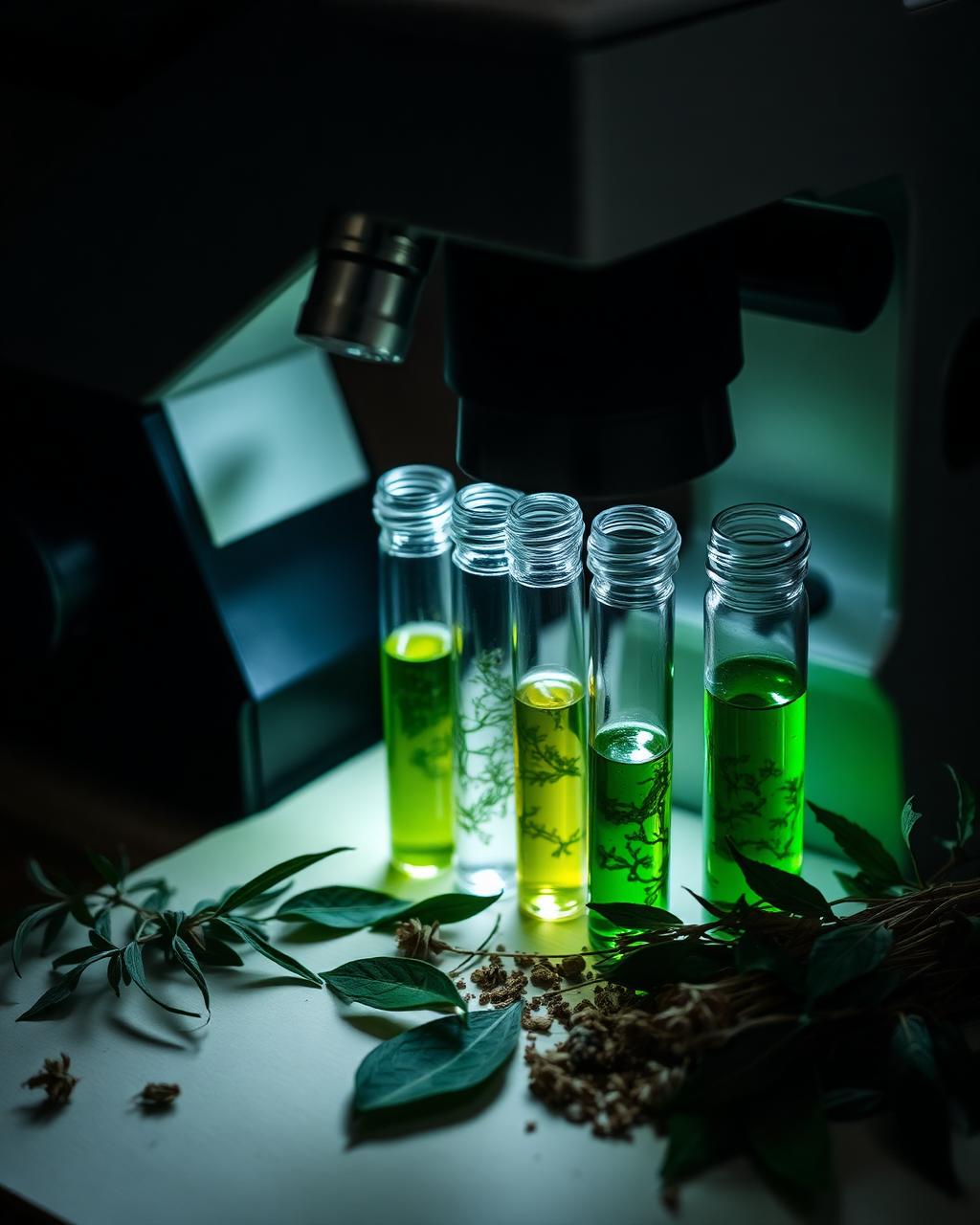
Organic food is often discussed at the surface: labels, residues, certification seals. The more fascinating story begins below the surface, where plants negotiate with microbes, minerals, water, and stress.
Phytochemicals are not ornamental. They are the language plants use to respond to pressure — sunlight, insects, drought, competition, and symbiotic exchange.
When soil biology is abundant, roots encounter a more complex world. That complexity can influence nutrient density, aromatic compounds, and the secondary metabolites that give herbs, fruits, and vegetables their character.
The chemistry of resilience
A tomato grown in living soil is not simply a tomato plus nutrients. It is the result of relationships: mycorrhizal fungi extending the root zone, bacteria making minerals available, and plant immune pathways adjusting to a dynamic environment.
The research is still evolving, but the direction is clear. Farming methods shape ecological context, and ecological context shapes plant chemistry.
For the reader, the conclusion is both practical and poetic: flavor is evidence. Aroma is evidence. The density of a leaf, the bitterness of a green, the fragrance released by a bruised herb — each can carry traces of the system that produced it.
Dr. Celia Rowan is a biochemist and science editor focused on plant compounds and food systems.